
 Lounge furniture

 Chests of drawers, cabinets, display cabinets

 Tables, coffee tables and coffee tables

 Chairs and stools

 Wardrobes and shelves

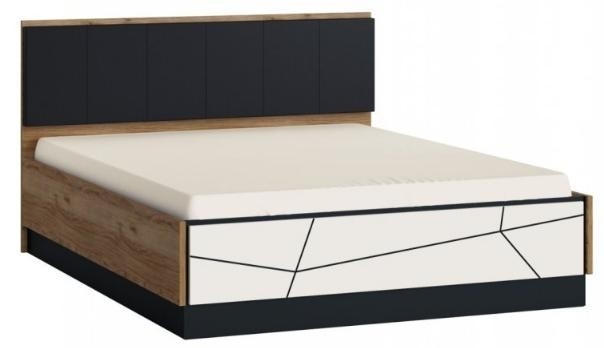 Beds and mattresses

 Office furniture

 Bathroom furniture

 Shelves and wall units

 Extras
 Kitchen furniture

 Children's furniture

 Hallway furniture

 Consoles and dressing tables

 Extras



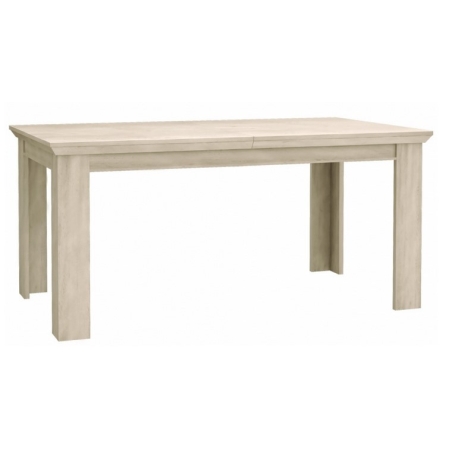
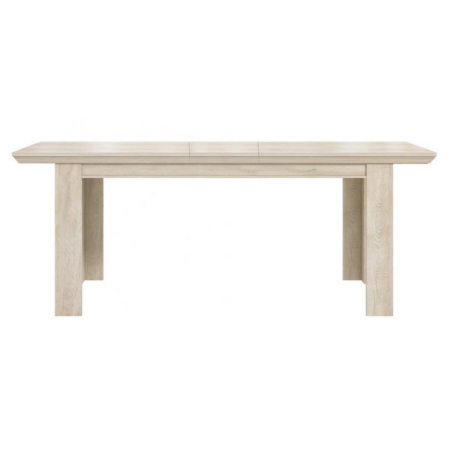
Wid: 160.00, Dep: 90.00, Hgt: 75.00.
Kashmir KSMT40 Provençal style folding table Forte
- Ability to bring in
Choosing a table is not only a matter of aesthetics and matching the interior style, but above all of mathematics and ergonomics. A common mistake when buying dining furniture is focusing solely on the external dimensions of the tabletop, without considering the comfort of the people who will be sitting at it. Chairs placed too tightly, lack of room for elbows, or knees bumping against the table legs can ruin even the most exquisite dinner. In 2026, when our homes are becoming multifunctional centers of life, understanding spatial standards is crucial for creating a comfortable meeting area.
In this guide, we will analyze the optimal dimensions of space allocated to one person. You will learn what the differences are in planning seating space at rectangular and round tables, as well as how to account for extra centimeters for tableware and for pulling a chair out comfortably. This is a complete compendium of knowledge that will help you avoid cramped arrangements and ensure that your dining area remains functional regardless of the number of guests.
In interior ergonomics, it is assumed that the minimum space for one person at a table is a rectangle measuring 60 cm in width and 40 cm in depth. Why exactly this much? A width of 60 cm corresponds to the average shoulder span of an adult with a slight allowance for cutlery movement. A depth of 40 cm makes it possible to place a dinner plate, cutlery, and a glass or wine glass comfortably.
However, if you care about a higher standard (the so-called premium standard), it is worth increasing the width to 70 cm. This helps avoid “bumping elbows” with your neighbor and provides space for extra bread or a wine glass. Also remember the neutral zone in the center of the table. To place serving platters, soup tureens, or decorations comfortably, a rectangular table should have a minimum total width of 80–90 cm.
Also worth checking out: What table shape is best for a small dining room? Why a round table “saves” walkways.
With rectangular and square tables, planning is the simplest, but we must remember the spacing of the furniture legs. If the table legs are mounted in the corners, they limit the space available for chairs. The table below presents standards for the most popular sizes.
| Number of people | Minimum tabletop dimensions (cm) | Suggested dimensions (comfort) |
|---|---|---|
| 4 people | 120 x 80 | 140 x 90 |
| 6 people | 180 x 80 | 200 x 100 |
| 8 people | 240 x 90 | 260 x 100 |
| 10 people | 300 x 100 | 320 x 110 |
Round tables are considered more democratic – everyone sits facing one another, and the lack of edges makes it easier to add an extra chair. However, planning space is a bit more difficult here, because the usable area narrows toward the center of the tabletop. It is assumed that the table circumference should allow the above-mentioned 60 cm along the edge for each guest.
Diameter standards for round tables:
You may also be interested in: Oak table vs. veneer: Why does the price differ, and what will stand the test of time?
The tabletop alone is not everything. For the dining room to be functional, we must also account for space to move away from the table. Ergonomic standards state clearly:
In 2026, extendable tables are experiencing a renaissance. They are the perfect compromise between everyday space in the living room and the possibility of hosting family. When choosing one, pay attention to whether the extension leaves are stored inside the table or require separate space in a closet. Also check whether the table legs move together with the tabletop when extended – this makes arranging chairs much easier.
Chairs with armrests (so-called armchair-style chairs) require 10–15 cm more width than standard models. When planning a table for such chairs, assume a minimum width of 70–75 cm per person. Also make sure the armrests fit under the tabletop – otherwise, you will not be able to pull in close to the meal.
In small, square rooms, a round table works better – the absence of corners makes movement easier. However, if you have a narrow kitchen or living room, a rectangular table that can be pushed with one side against the wall will be much more space-efficient.
Designing a dining area is the art of finding a balance between the available square footage and the needs of the household members. By remembering the rule of 60 cm of width per person and maintaining proper distances from walls, you will create a space that encourages long conversations and shared meals. Regardless of whether you choose an elegant rectangular table or a sociable round table, focusing on ergonomics guarantees that your home will be not only stylish, but also truly welcoming.
Wid: 160.00, Dep: 90.00, Hgt: 75.00.
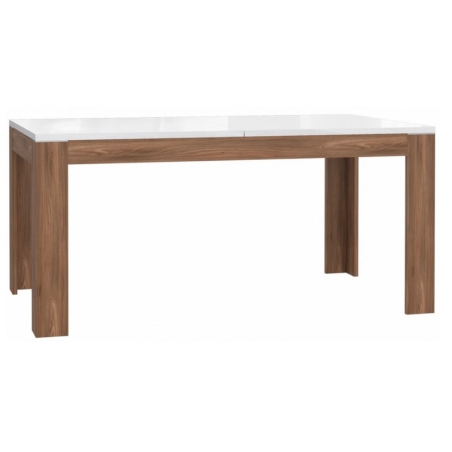
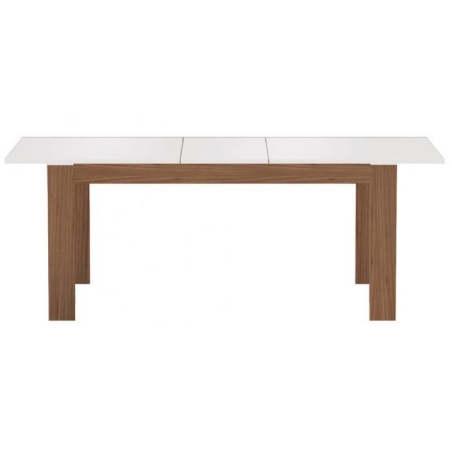
Wid: 160.00, Dep: 90.00, Hgt: 75.00.
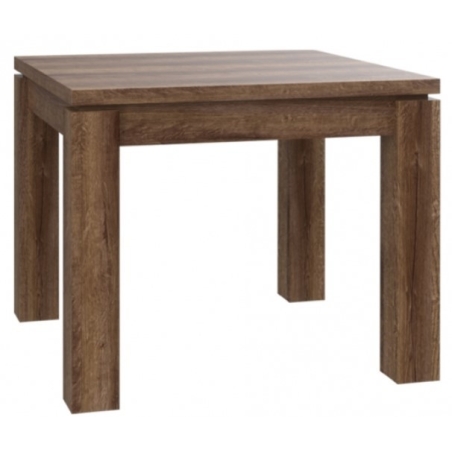
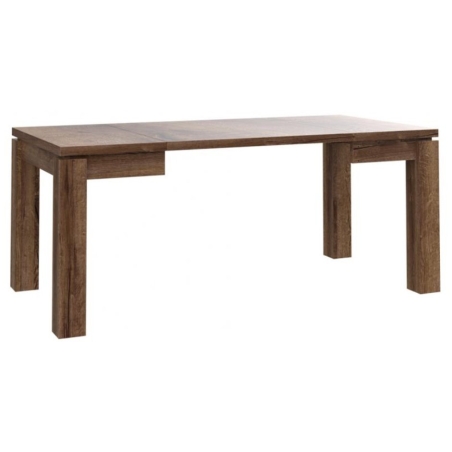
Wid: 90.00, Dep: 90.00, Hgt: 76.00.
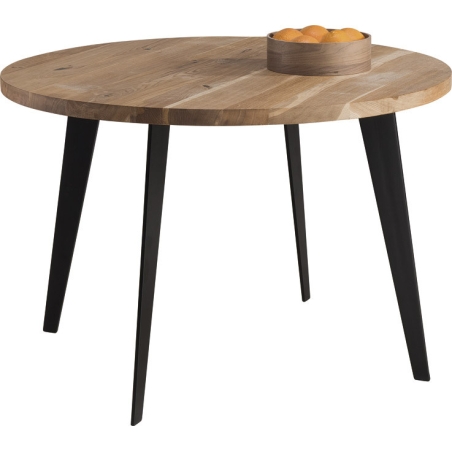
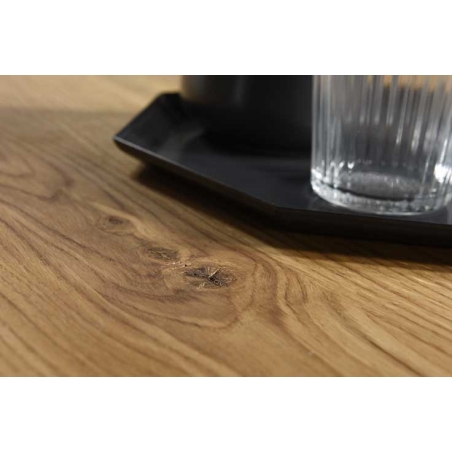
Wid: 100.00, Dep: 100.00, Hgt: 74.00.
check_circle
check_circle