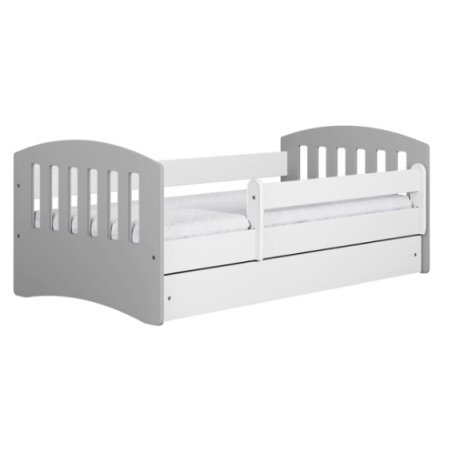
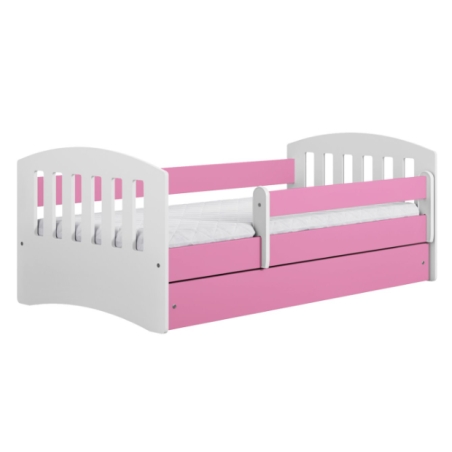
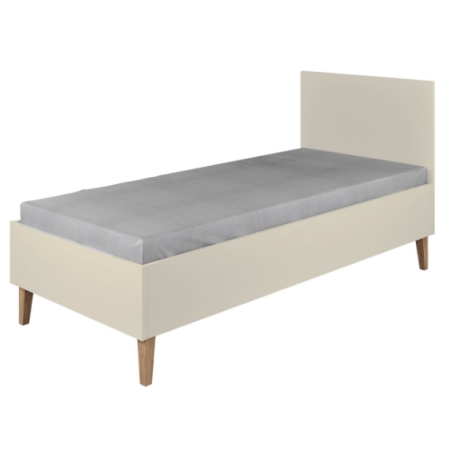
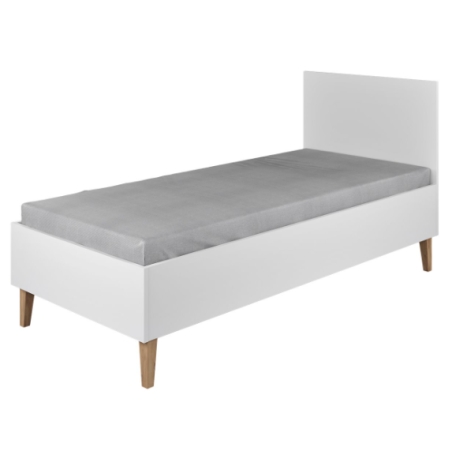
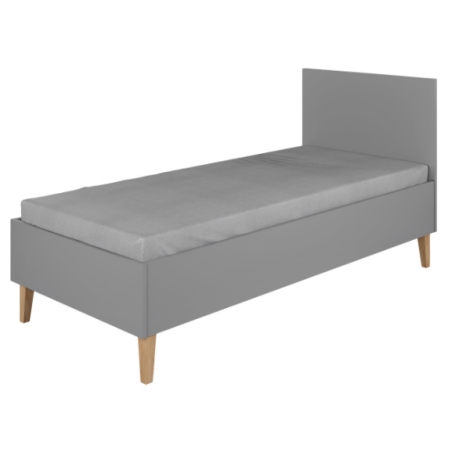
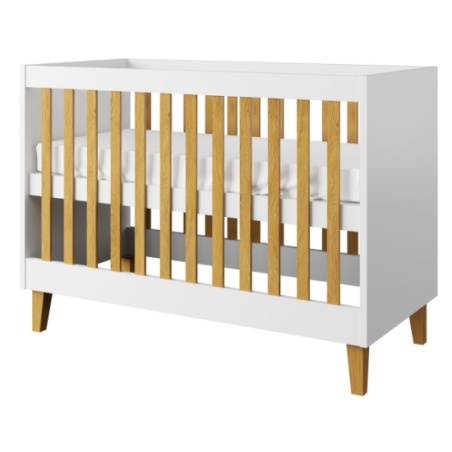
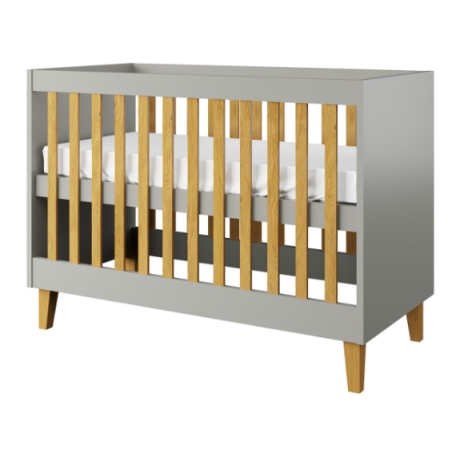
The third birthday is a milestone moment for many children and parents. Your little one is becoming more independent, and the crib with bars starts to feel like a space that’s simply too small. Transitioning to the first “grown-up” bed is a big event—one that brings just as much excitement as it does concern. Will your child fall out at night? Will they be able to fall asleep without the sense of enclosure from the crib rails? In 2026, the market offers solutions that make this transition smooth, safe, and joyful. Choosing the right model is an investment not only in comfortable sleep, but also in your child’s growing sense of independence.
In this guide, we’ll show you what to look for when choosing a bed for a three-year-old. We’ll analyze different types of designs—from classic beds with safety rails, through popular “house beds,” to low Montessori-style floor beds. You’ll learn which mattress size is the most future-proof and what safety features are absolutely essential to keep your child safe during nighttime wanderings. This is a comprehensive resource for parents who want their child to fall in love with their new sleeping space from the very first night.
When is the right time to make the switch?
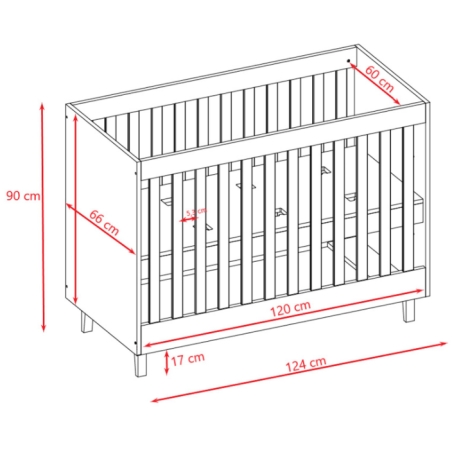
Although every child develops at their own pace, there are clear signs that it’s time for a new bed. The most important one is attempting to climb out over the top of the crib rails—this is extremely dangerous and can lead to serious falls. Other indicators include your child simply outgrowing a 120x60 cm crib or showing a strong desire to get in and out of bed independently. For most children, the age between 2.5 and 3.5 years is the ideal time for this transition.
You may also be interested in: What furniture for a teenager? How not to buy something that will instantly be called “weird”
Types of beds for preschoolers – what to choose?
The choice of bed depends on your child’s temperament and the size of the room. Below is a comparison of the most popular options.
| Bed Type |
Advantages |
Best for |
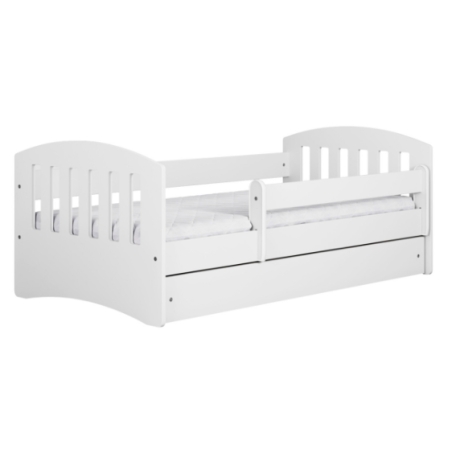
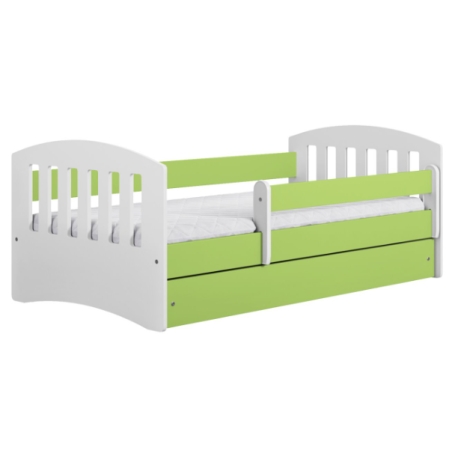
| Bed with safety rail |
Maximum safety, prevents falling out. |
For children who move a lot during sleep. |
| House Bed |
Unique design, encourages creative play. |
For children who need a cozy “base.” |
| Montessori Bed (Floor bed) |
Maximum independence, no risk of falling. |
For parents who value child autonomy. |
| Extendable bed |
Saves space and money (grows with the child). |
For smaller rooms and practical parents. |
Size matters: 140x70 or go straight for 200x90?
This is a common dilemma for many parents. A bed measuring 140x70 cm or 160x80 cm feels more proportional to a three-year-old’s size and makes the space cozier. However, from a long-term perspective, choosing a standard 200x90 cm bed is the most future-proof option—it can last all the way into the teenage years.
In 2026, the 160x80 cm size is becoming the go-to “sweet spot.” It allows a parent to comfortably lie next to the child during bedtime stories—which is crucial during the transition period—while not taking up as much space as a full-size bed.
In our selection of children’s beds, you’ll surely find something for yourself.
Safety first: A rail is not everything
When choosing a first bed, pay attention to construction details:
- Rail height: It should extend at least 15–20 cm above the mattress level. Choose models with removable rails—you can easily take them off as your child grows.
- Rounded edges: Three-year-olds are constantly on the move, including around the bed. No sharp corners means fewer bumps during play.
- Frame stability: The frame should not creak or wobble when an adult sits on it.
- Paints and finishes: Make sure the furniture meets the EN 71-3 standard (mentioned in our previous article), as children at this age may still test things by putting them in their mouths.
Rituals that make the transition easier
Even the most beautiful bed can cause anxiety if the change is introduced too abruptly. Involve your child in the process—let them choose new bedding with their favorite character. During the first few nights, allow them to keep their favorite stuffed toys that “guarded” them in the old crib. It’s important that the new sleeping space feels like a reward and a sign of being “grown-up,” rather than a loss of a safe place.
See also: A desk tailored to your child – setting up a student’s room
FAQ – Frequently Asked Questions about the first bed
What if my child is still afraid to sleep in the new bed despite the safety rail?
It’s best to use a gradual approach. You can place the new bed in the room and let your child play in it during the day, read books there, and only after a few days try the first nap and then nighttime sleep. Patience and parental closeness are key during this transition phase.
What mattress is best for a 3-year-old?
A child’s spine is still developing at this age. Avoid very soft mattresses such as memory foam. A medium-firm mattress, such as latex or high-resilience (HR) foam, is the best choice—it provides stable support without causing pressure points.
Is a bunk bed a good idea for a 3-year-old?
We strongly advise against bunk beds (top bunks) for children under 6 years old. Even if a child can climb a ladder during the day, at night—when sleepy or disoriented—it can lead to a dangerous accident. For a three-year-old, always choose a low, single-level bed.
Summary
Choosing a bed for a 3-year-old is about balancing safety with supporting development. Whether you go for a charming house bed or a classic design with a safety rail, remember that quality craftsmanship and certified materials are key. A well-chosen bed will become a safe haven for your child—not only a place to rest, but also a source of pride in becoming a “big kid.” It’s a small step in furniture terms, but a giant leap in your child’s independence. Enjoy this moment and celebrate it together—these are the kinds of memories that last a lifetime.

 Lounge furniture

 Chests of drawers, cabinets, display cabinets

 Tables, coffee tables and coffee tables

 Chairs and stools

 Wardrobes and shelves

 Beds and mattresses

 Office furniture

 Bathroom furniture

 Shelves and wall units

 Extras
 Kitchen furniture

 Children's furniture

 Hallway furniture

 Consoles and dressing tables

 Extras