
 Lounge furniture

 Chests of drawers, cabinets, display cabinets

 Tables, coffee tables and coffee tables

 Chairs and stools

 Wardrobes and shelves

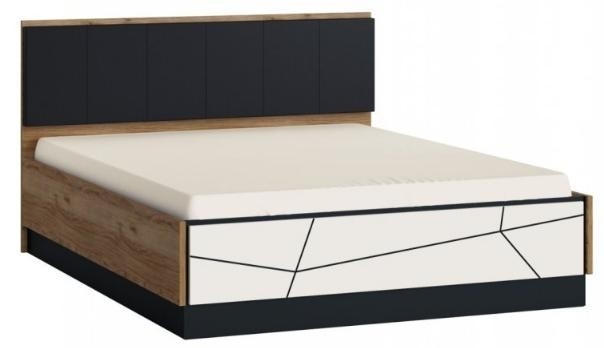 Beds and mattresses

 Office furniture

 Bathroom furniture

 Shelves and wall units

 Extras
 Kitchen furniture

 Children's furniture

 Hallway furniture

 Consoles and dressing tables

 Extras



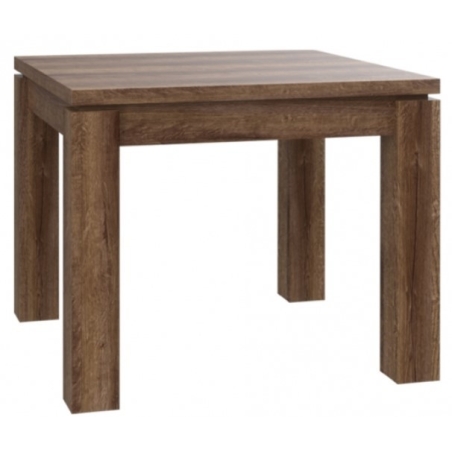
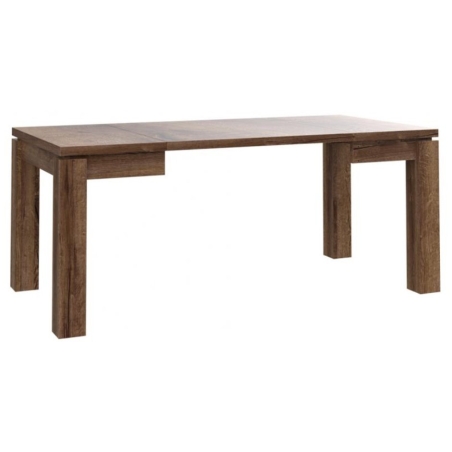
Wid: 90.00, Dep: 90.00, Hgt: 76.00.
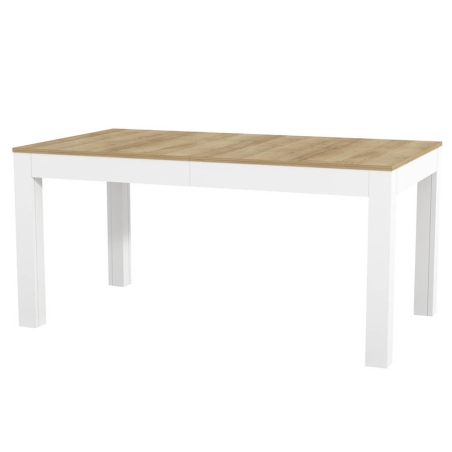
Trass Folding table EST45-D53 Forte
- Ability to bring in
An extendable table is a piece of furniture designed for special tasks. On a daily basis, it serves as a compact surface for household members, and during holidays it transforms into a spacious arena for the entire family. However, the comfort of using such furniture depends not on its color, but on the extension mechanism applied. In 2026, furniture engineering offers solutions that allow the table to be enlarged in just a few seconds, without using force. The two most popular systems – the butterfly leaf and side extensions (add-on leaves) – differ in aesthetics, stability, and the way additional elements are stored.
In this article, we analyze both mechanisms from a practical perspective. We will check which system is easier to operate alone, how they affect the construction of the furniture, and what happens to the tabletop’s stability after reaching its maximum extension. This substantive comparison will help you avoid purchasing a table whose unfolding becomes a frustrating challenge at every family gathering.
The butterfly system is one of the most advanced and comfortable solutions. Its name comes from the way the leaf unfolds: after pulling the main tabletop apart, the insert “flies out” from the center of the table, opening like butterfly wings. The biggest advantage of this system is that the leaf is integrated into the table – you never have to look for storage space in a closet or under the bed.
In modern tables of 2026, the butterfly system is based on precise synchronous rails. This means that when you pull one end of the tabletop, the other side automatically moves as well. It’s an ideal solution for people who value aesthetics – when folded, the table looks like a single solid piece, and the mechanism remains completely invisible. A drawback may be the heavier weight of the furniture and the higher price resulting from the complexity of the hardware.
Side extensions, often called add-on leaves, are an external system. They involve attaching additional tabletop elements to the ends of the table (on one or both sides). In the classic version, extensions require pulling out special supports from beneath the main tabletop, onto which extra wooden or board panels are then placed.
This solution is appreciated for its exceptional simplicity and stability. Since the middle structure of the table remains untouched, the main tabletop can be thinner and lighter. Side extensions also allow asymmetrical expansion (for example, adding space on just one side). The main downside is the need to store the extensions outside the table, which can be inconvenient in small apartments, as well as visible joints at the ends of the furniture.
The choice of mechanism should be guided not only by lifestyle but also by the space available for storing furniture accessories.
| Mechanism feature | Butterfly System | Side Extensions (External) |
|---|---|---|
| Leaf storage | Inside the table (always at hand) | Outside the table (requires closet space) |
| Speed of extension | Very high (synchronous rails) | Medium (requires bringing the leaves) |
| Aesthetics when folded | Perfectly uniform surface | Visible joints or openings at the ends |
| Expansion flexibility | Fixed (depends on leaf length) | Flexible (one or two leaves can be added) |
| Furniture price | Higher (complex hardware) | Lower (simpler construction) |
When choosing an extension system, it is crucial to pay attention to the table legs. In butterfly systems, it is common to find mechanisms where the legs move together with each half of the tabletop. This solution ensures that the table remains just as stable at the ends when extended as it is when folded. If the legs stay fixed in the center while the tabletop extends far beyond their outline, you must expect reduced resistance to pressure at the edges.
With side extensions, it is worth checking the mounting system. Solid steel supports prevent the extension from “sagging” under the weight of dishes. In 2026, magnetic pull-in systems are becoming standard, eliminating gaps between tabletop elements, which greatly improves cleanliness and the overall appearance of a set table.
Jamming is usually caused by dust in the rails or loose screws.
Yes – as long as the extensions are original and dedicated to the specific table model.
Choosing between the butterfly system and side extensions is a trade-off between uncompromising convenience and simplicity with flexibility. If you hate carrying heavy panels from the closet and want to expand your table instantly before guests arrive, the butterfly system is made for you. However, if you prefer lighter furniture, have space to store extra leaves, and want a more budget-friendly option – side extensions will be a perfect choice. Remember to test the smoothness of the mechanism before purchasing – a good extendable table should be operable with one hand.
Wid: 90.00, Dep: 90.00, Hgt: 76.00.
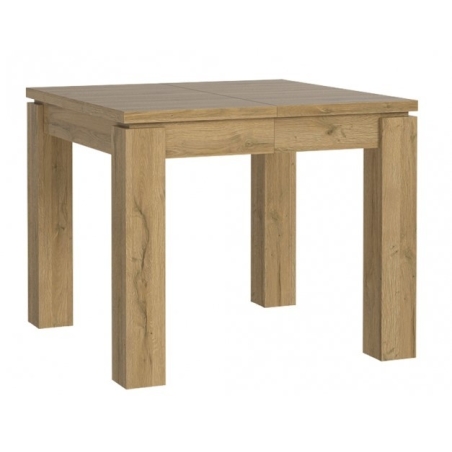
Wid: 90.00, Dep: 90.00, Hgt: 76.00.
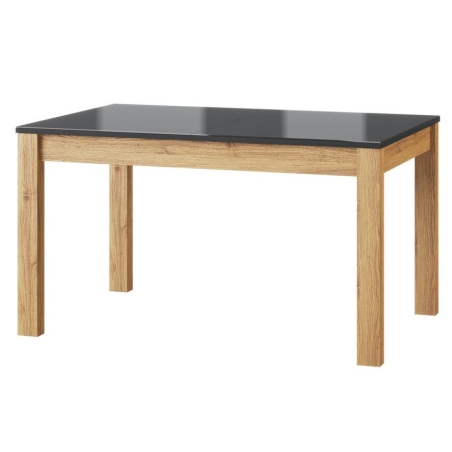
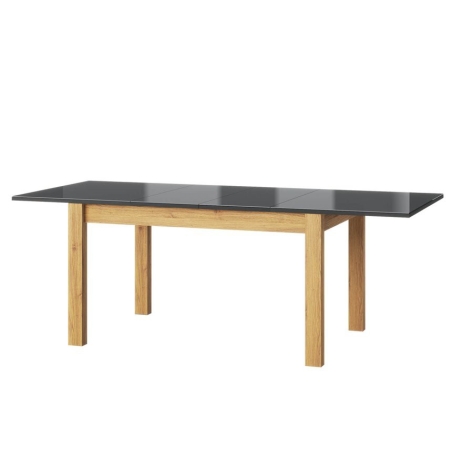
Wid: 136.00, Dep: 90.00, Hgt: 76.00.
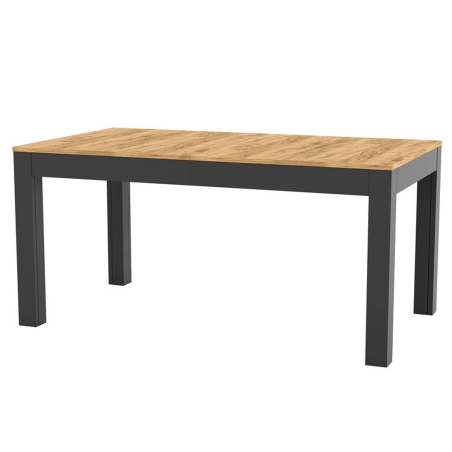
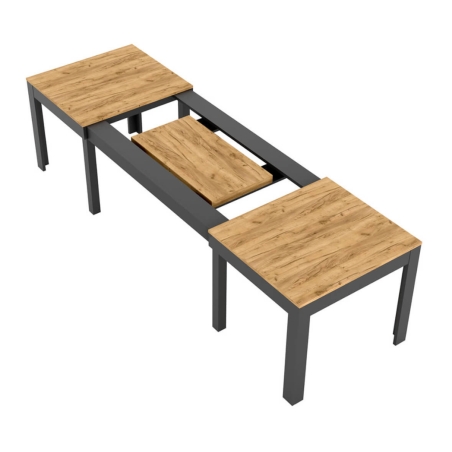
Wid: , Dep: 90.00, Hgt: 76.00.
Wid: 200.00, Dep: 100.00, Hgt: 76.00.



check_circle
check_circle