
 Lounge furniture

 Chests of drawers, cabinets, display cabinets

 Tables, coffee tables and coffee tables

 Chairs and stools

 Wardrobes and shelves

 Beds and mattresses

 Office furniture

 Bathroom furniture

 Shelves and wall units

 Kitchen furniture

 Children's furniture

 Hallway furniture

 Consoles and dressing tables

 Extras



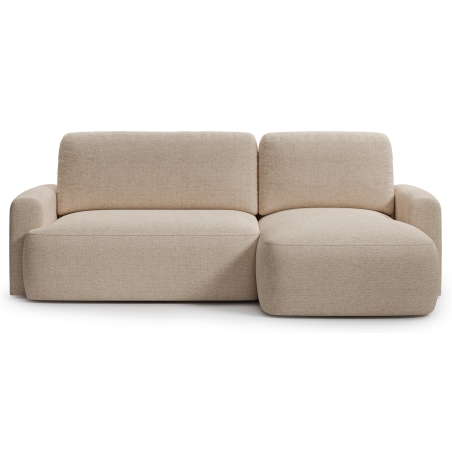
Wid: 260.00, Dep: 175.00, Hgt: 90.00.
Corner unit Cloud MP Nidzica
- Express delivery
- Ability to bring in
- Available lewo / biased
The enormous variety of upholstery fabrics available for sofas and corner sofas is, on one hand, a great advantage. After all, everyone can find something perfect for themselves. On the other hand, so many available options often mean that we have no idea what to choose. To make this decision easier for you, we’re here to help!
Read our complete buyer’s guide to learn more about the most popular upholstery fabrics you can choose from today. Find out what characterizes magic velvet fabric, and why eco-leather furniture continues to enjoy such great popularity.
Contrary to what it may seem, the choice of upholstery material affects not only the appearance of the furniture. Of course, it is crucial for the design, but also for the functionality of the piece itself. It also significantly affects the everyday comfort of using the sofa.
Keep in mind that the wrong fabric may wear out quickly, fade, and become difficult to maintain. Meanwhile, the right material will give you a certain guarantee that your corner sofa will serve you well for a long time—and look great for many years.
Have you ever thought that comfortable furniture must be soft and cozy, while durable furniture is usually harder and less pleasant to the touch? Absolutely not. Today’s upholstery fabrics allow you to brilliantly combine both qualities, making sofas both extremely comfortable and highly resistant to various types of damage.
The right choice of fabric and a well-designed seat filling will ensure that your corner sofa remains pleasant to the touch, keeps its shape, and maintains an aesthetic appearance for many years. You won’t feel like just a few months of use have taken away its charm.
Today you can enjoy a wide range of fabrics that are pleasant, abrasion-resistant, and easy to care for—letting you enjoy real comfort and durability in your chosen piece of furniture.
Read also: What to consider when buying a corner sofa?
You may be tempted to choose a corner sofa with an upholstery fabric that is currently trending. However, when shopping for such furniture, remember that the material should primarily match your personal needs and lifestyle. What works well in one home may turn out completely impractical in another. Before deciding on a specific fabric, think about who will be using the sofa daily and what requirements it has to meet.
Do you have small children? Then you will certainly appreciate fabrics that are highly resistant to stains and abrasion, and easy to clean. For pet owners, durability and resistance to scratches and fur may be key factors.
If you want your corner sofa to serve as a representative element of your living room, choose an elegant fabric that impresses with durability and adds character and style to the entire space.
Don’t forget your personal aesthetic and tactile preferences. Some people prefer soft, cozy fabrics, while others like smooth, minimalist surfaces. In practice, choosing a material is a balance between functionality, everyday use, and appearance—ensuring the furniture brings joy and comfort for many years.
Read also: What to use for cleaning a sofa?
We’ve already highlighted how important choosing the right upholstery fabric is—for both the appearance of the furniture and everyday comfort. Depending on what you like most, you can choose among classic natural fabrics or modern synthetic materials that are often hard to take your eyes off.
Remember that every fabric has its advantages and disadvantages. What is a benefit to one person may be a drawback for someone else. This is why the decision should always be individual—suited to your lifestyle, needs, and the way you imagine using the furniture every day.
When it comes to upholstery materials, natural fabrics have been consistently popular for many years. This is mainly because they are pleasant to the touch and breathable. For example, cotton is soft, gentle, and great for everyday use, though it may be less resistant to stains and wear.
Linen is durable and resistant to stretching, while also giving interiors a slightly rustic, elegant feel. Wool, on the other hand, is warm, resilient, and crease-resistant, which helps the sofa keep its shape and appearance for a long time.
Natural fabrics work wonderfully in homes where a cozy, classic style is appreciated and for those who simply want a pretty and comfortable finish for their sofa.
If you have kids or pets, you may think you can’t enjoy a stylish and functional sofa. Fortunately, you absolutely can—many ideal fabrics available today offer the perfect balance. Consider synthetic options such as polyester or microfiber.
They have gained popularity mainly due to their high stain resistance and the fact that they are nearly effortless to maintain. You will certainly appreciate this when living with a toddler—after all, sofas in such homes face daily challenges, spills, and dirt.
Microfiber is also very soft and pleasant to the touch, while polyester is exceptionally durable. Modern synthetic fabrics look great—you won’t feel like choosing them means sacrificing aesthetics.
If you follow interior design trends even a little, you surely know that velour fabrics have long been among the most popular choices for sofas and corner sofas.
Their popularity is no coincidence! It comes from their softness, elegant appearance, and exceptionally pleasant feel. Upholstering a sofa in velour gives it a luxurious character that’s hard to overlook.
Did you know that although velour, velvet, and magic velvet belong to the same group, they differ from one another?
Velour is a classic option with a matte finish and a soft, dense fiber structure. It is cozy and plush, giving furniture a warm, homey character. It usually handles daily use well, though it may show pressure marks more easily than newer fabrics.
Velvet features a delicate sheen and an exceptionally smooth surface. It's a more elegant, modern material that subtly reflects light—perfect for glam, modern classic, or minimalist interiors.
Magic velvet is a modernized version of velour and velvet, designed especially for homes with heavily used furniture. It resists liquid absorption, is easy to clean, and maintains color well. This makes it a fantastic option for families with children, pet owners, or anyone who wants strong aesthetics combined with durability.
Chenille fabrics are among the most valued upholstery materials for sofas and corner sofas, especially in homes where furniture is used intensively. Their slightly shiny, textured fiber structure makes them cozy, elegant, and durable. What sets them apart? Above all, durability—chenille is resistant to abrasion, pilling, and fading, helping furniture look great for years.
Another advantage is their elasticity, allowing the fabric to adapt to the shape of the furniture without deforming. Chenille is also pleasant to the touch and features a subtle shine, making it suitable for both modern and classic interiors.
Chenille performs exceptionally well in homes with children or pets—it hides small imperfections, doesn’t absorb stains as easily as some natural fabrics, and is relatively simple to maintain.
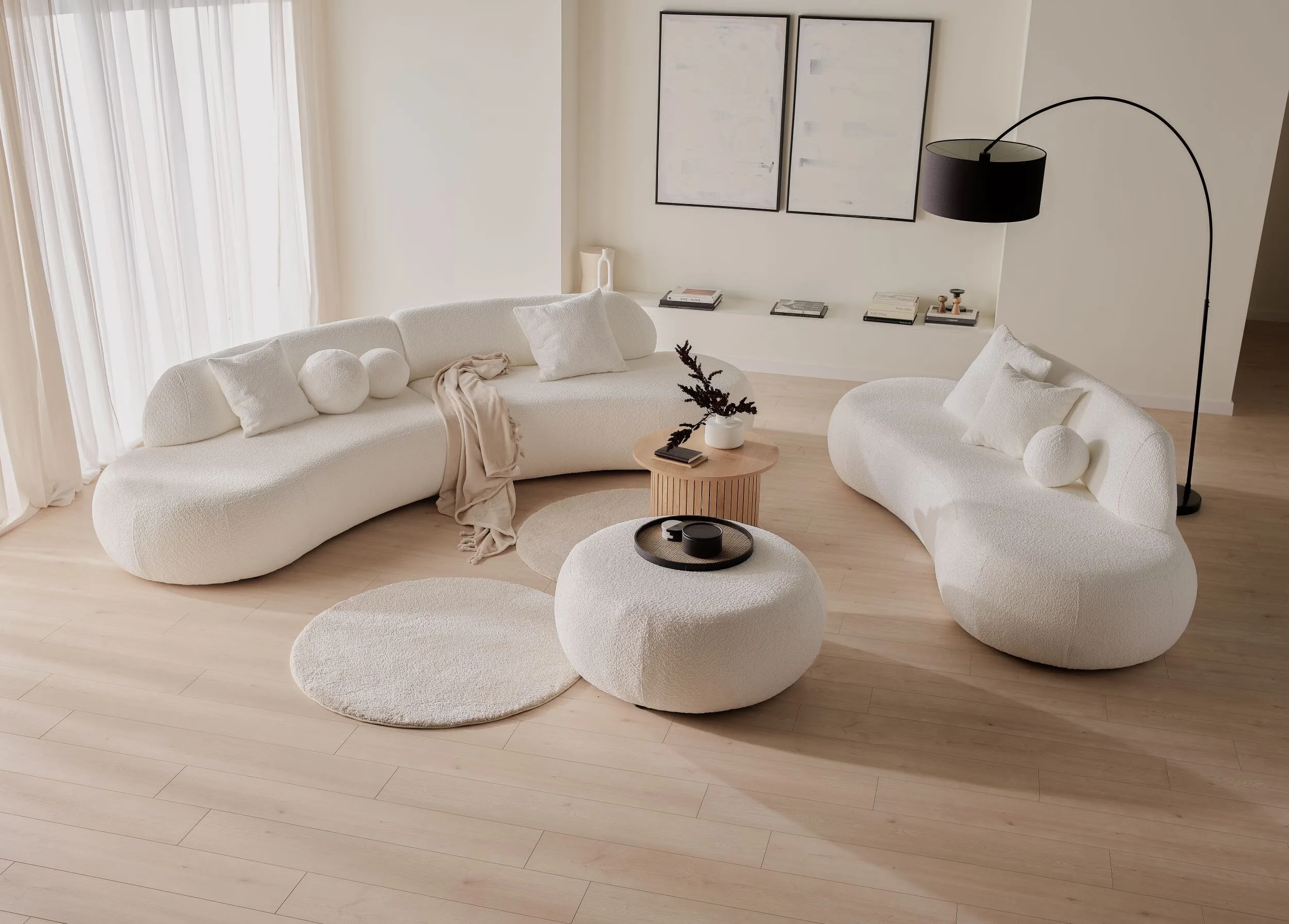
Bouclé is one of the most recognizable upholstery fabrics of recent years. Its signature feature is its looped, soft, wool-like texture that adds depth and coziness to any piece of furniture. Sofas upholstered in bouclé instantly draw attention and become statement pieces—especially in modern, japandi, or minimalist interiors.
Bouclé’s appeal is not just visual. The fabric is usually thick, pleasant to the touch, and perfect for creating a cozy effect. It works beautifully on large, soft furniture shapes. It also masks small creases or irregularities well.
However, bouclé has a more open structure, meaning it requires regular vacuuming and mindful care. It may also trap pet hair more easily. Still, if you want a visually stunning, cozy sofa, bouclé is an excellent choice.
Natural leather has long been associated with elegance, prestige, and exceptional durability. It is one of the most luxurious upholstery materials available, often chosen by those seeking furniture that will last for many years. Leather sofas look refined, and over time develop a distinctive patina that adds charm and highlights their uniqueness.
The main advantage of leather is its durability — it is resistant to wear, stretching, and mechanical damage. It also does not trap dust as much as fabrics, making it a good choice for allergy sufferers. It is easy to clean, and most stains can be removed with gentle care products.
On the other hand, natural leather requires regular maintenance. To keep its elasticity, color, and softness, it must be moisturized periodically. Otherwise, it may dry out and crack. It is also sensitive to high temperatures and direct sunlight, which may cause fading.
Leather sofas tend to be more expensive, and some users may find the initial cool touch of leather less comfortable.
Natural leather is an excellent choice for those seeking durability, timeless elegance, and a luxurious finish—provided they are willing to invest time in proper maintenance.
Eco-leather combines an elegant appearance with practicality. It is easy to clean, resistant to stains and scratches, and pleasant to the touch. It works well in homes with children or pets, and in modern interiors where convenience, durability, and aesthetics matter. With a wide range of colors available, it’s easy to match eco-leather to your living room. With proper care, a sofa upholstered in eco-leather will serve you for many years.
Blended fabrics are created by combining natural and synthetic fibers, such as cotton with polyester, linen with acrylic, or wool with nylon. Thanks to this, they gain unique properties: they are pleasant to the touch, durable, and resistant to deformation. In practice, this means the sofa maintains an aesthetic appearance even with heavy use while remaining soft and comfortable.
Innovative fabrics using modern technologies are appearing more and more often—such as hydrophobic, antibacterial, or UV-resistant fibers. Some have protective coatings that prevent dust and oily stains from entering the material, making them easier to clean.
Blended and innovative fabrics give designers more freedom to create a wide range of textures, patterns, and colors. You can choose among interesting weaves, geometric patterns, or subtle contrasts that give furniture a modern, designer character.
If you were still hesitant before, now you surely understand that upholstery fabric has a huge impact on the comfort and appearance of your furniture. We've also shown you several popular fabrics that could find a place in your home.
One of the most important indicators of upholstery fabric is its resistance. What does this mean in practice? It’s about how long the material will maintain its appearance without showing wear or pilling. To assess this, the Martindale test is used, which determines how many rubbing cycles the fabric can withstand before showing signs of use.
These tests are performed using a special machine that rubs fabric samples in circular motions, simulating everyday use. The result is presented as a number of cycles. The higher the number, the more durable the fabric. For example, fabrics rated 30–40 thousand Martindale cycles are suitable for family homes with heavy use, while lower ratings are fine for guest rooms or less used spaces.
However, the Martindale score is not everything. Durability also depends on weave density, fiber quality, and finishing. Materials with a tight weave and an additional protective coating are less prone to pilling and easier to clean. This ensures your corner sofa can look great even after years of daily use.
To ensure full satisfaction with your chosen upholstery fabric, pay attention to how practical it is in everyday life. Some materials, like microfiber or eco-leather, are highly resistant to stains—often requiring just a damp cloth or mild detergent for cleaning.
Other materials, such as velour or bouclé, require a bit more care—regular vacuuming with a soft brush and using specialized upholstery cleaners. With the right maintenance, even delicate fabrics will remain beautiful for years without losing color or texture.
The choice of color and pattern greatly affects the overall character of the living room. Light shades visually enlarge the space and add airiness. Darker tones create a cozy, intimate atmosphere. Bright colors or bold patterns can become the focal point of the room.
When choosing a color, consider both your interior style and daily use—practical shades are often the best choice for heavily used furniture. Modular furniture construction offers even more possibilities—you can combine different colors and textures within one sofa, creating a personalized composition or a distinctive focal point.
Yes, selecting the right upholstery material is key to ensuring your sofa looks great and remains comfortable. Consider abrasion resistance, ease of cleaning, and how well the color and texture match your interior. This way, your new furniture will not only be functional but also a beautiful element of your living room that delights every day and serves the whole family for many years. Which of the materials we described will you choose?
Wid: 260.00, Dep: 175.00, Hgt: 90.00.
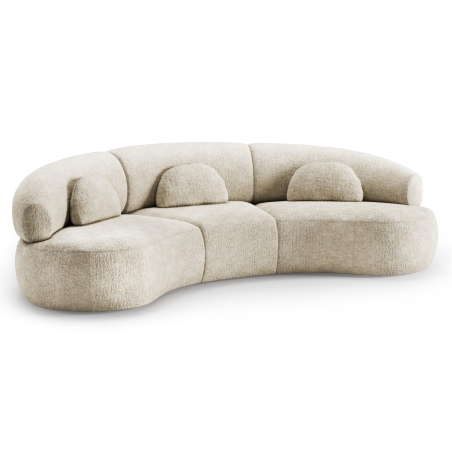
Wid: 109.00, Dep: , Hgt: 230.00.
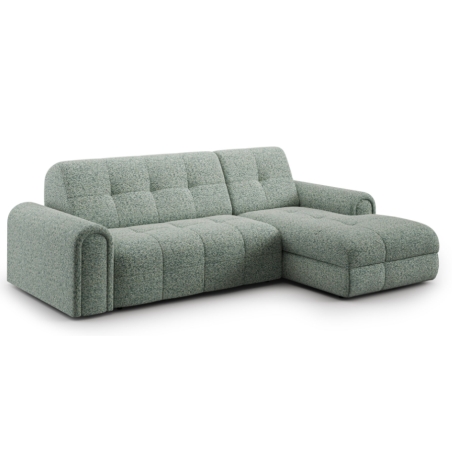
Wid: 258.00, Dep: 84.00, Hgt: 84.00.
check_circle
check_circle