```html
Choosing the right bed for your bedroom affects not only sleep comfort, but also spinal health, ease of getting up every day, and overall body recovery. More and more people are wondering whether it is better to choose a continental bed or a frame bed. Both solutions differ in construction, sleeping height, body support, and the ability to customize the mattress and slatted base.
In 2026, the bedroom is no longer just a place to sleep — it becomes a private zone of recovery and sleep ergonomics. That is why bed height, ease of getting up, and proper spinal support are now more important than the appearance of the furniture itself. This is especially important for seniors, people with back pain, knee problems, and anyone who values everyday comfort and convenience.
In short: a continental bed offers a higher sleeping surface (60–70 cm), making it easier to get up while reducing strain on the knees and spine. A frame bed provides greater flexibility in customizing the mattress and slatted base and works better in modern, smaller bedrooms.
Continental Bed – Higher Sleeping Surface and Hotel-Like Comfort
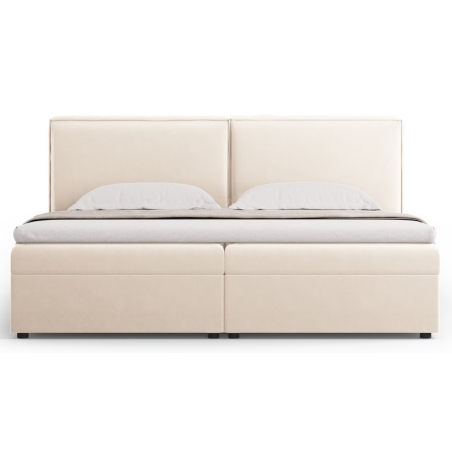
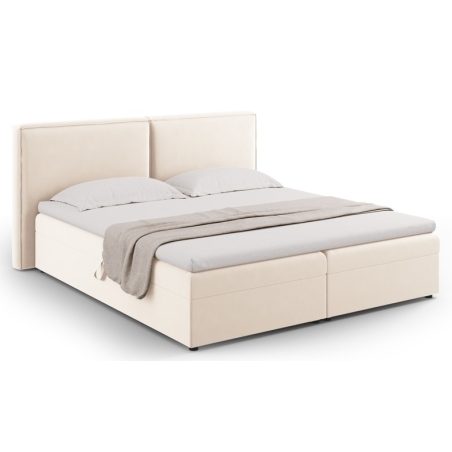
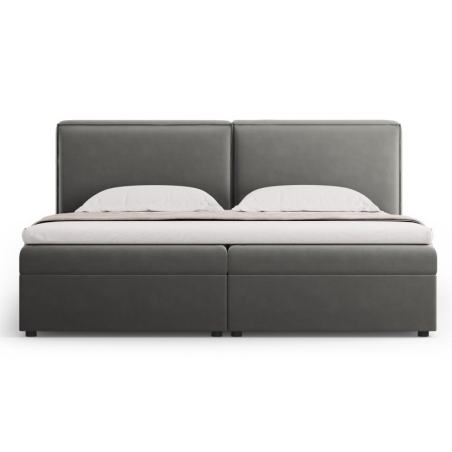
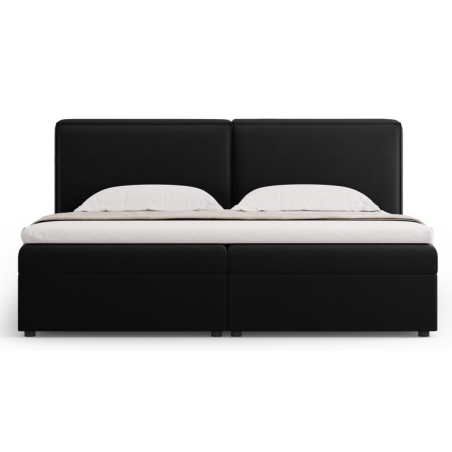
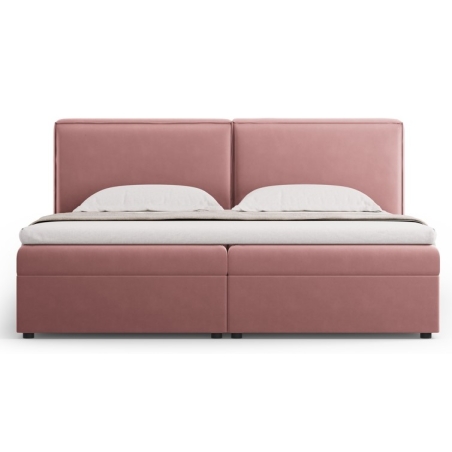
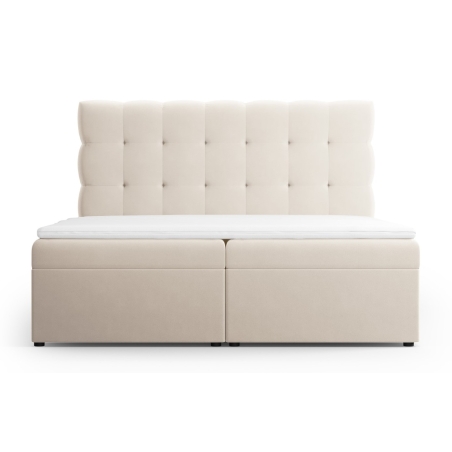
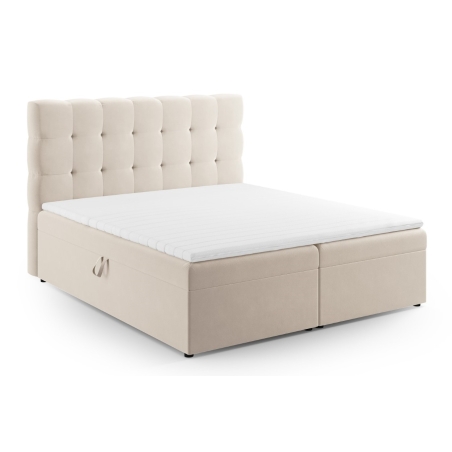
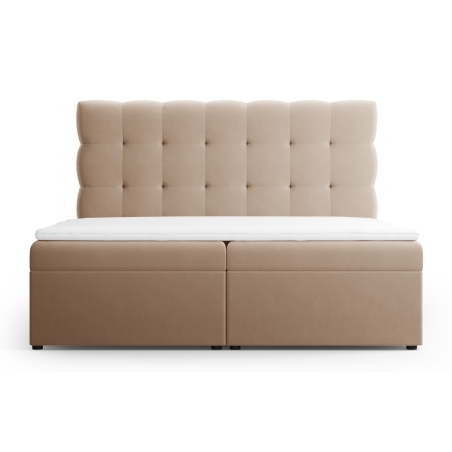
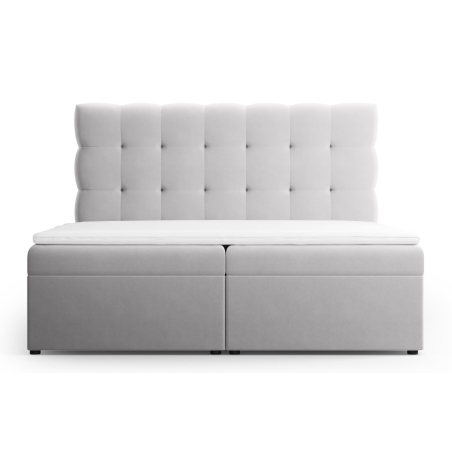
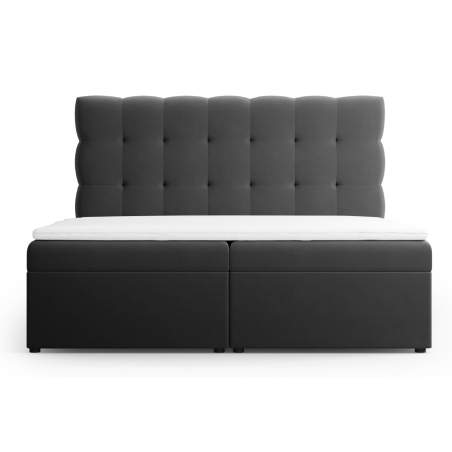
A continental bed, also known as a Boxspring bed, is a multi-layer construction consisting of a spring box base, a main mattress, and a mattress topper. This design provides exceptional sleeping comfort, deep cushioning, and ergonomic support for the entire body.
The biggest difference between a continental bed and a frame bed is the sleeping height. In continental models, the mattress surface is usually positioned 60–70 cm above the floor. This makes sitting down and getting up much easier because the legs remain bent at approximately a 90-degree angle while the feet stay firmly on the floor.
This solution is especially appreciated by:
- seniors,
- people with back pain,
- people recovering from knee or hip injuries,
- users looking for luxurious hotel-style comfort.
Sleep ergonomics specialists point out that the right bed height can significantly reduce strain on the lower back during everyday movements such as getting up from bed.
Frame Bed – Greater Customization and Modern Design
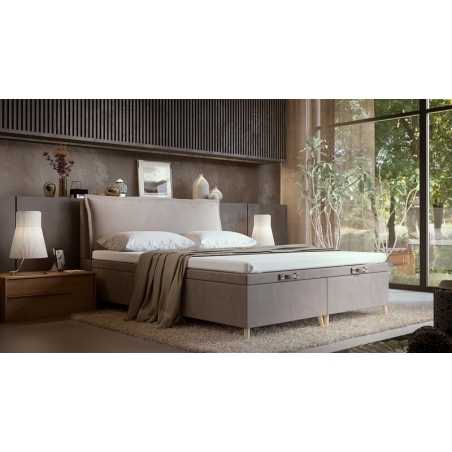
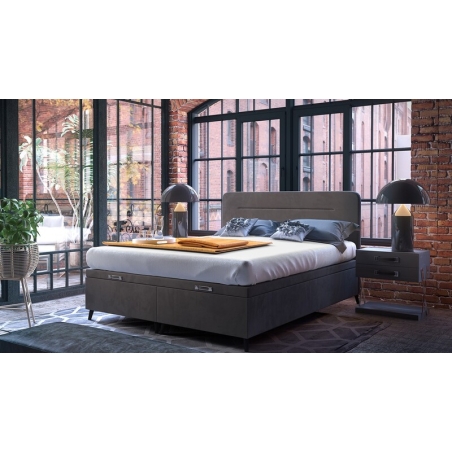
A frame bed is a classic construction consisting of a bed frame, slatted base, and separately selected mattress. These models allow full customization of sleep comfort — users can independently choose a pocket spring, foam, or hybrid mattress along with an adjustable slatted base.
The sleeping height in frame beds usually ranges from 40 to 55 cm. While this is not an issue for younger and more active users, seniors may experience more effort when getting up from a lower bed every day.
The advantage of frame beds is their visually lightweight design and easy integration into modern interior arrangements. Most models stand on higher legs, improving mattress ventilation and making it easier to clean underneath the bed.
What Bed Height Is Best?
The most ergonomic sleeping height is considered to be between 55 and 70 cm measured from the floor to the top surface of the mattress. This height allows users to sit down and stand up comfortably without placing excessive strain on the knees, hips, and lower spine.
Higher continental beds are recommended for seniors and people with limited mobility. Lower frame beds are more commonly chosen by younger users who prefer minimalist design and greater flexibility in bedroom arrangement.
Comparison: Continental Bed vs Frame Bed
| Feature |
Continental Bed |
Frame Bed |
| Sleeping Height |
60–70 cm – easier getting up |
40–55 cm – standard height |
| Construction |
Multi-layer Boxspring system |
Frame + slatted base + mattress |
| Sleep Comfort |
Very high cushioning and support |
Depends on the selected mattress |
| Mattress Ventilation |
Good |
Very good |
| Customization |
Lower |
Very high |
| Best For |
Seniors and people with back pain |
People who value modern design |
Who Should Choose a Continental Bed and Who Should Choose a Frame Bed?
- Continental beds are ideal for people who value easy getting up, premium sleep comfort, and a luxurious hotel-inspired appearance.
- Frame beds are a good choice for users who like the option of changing mattresses, redesigning interiors, and having greater flexibility in selecting slatted bases and mattress heights.
Why Does Sleeping Height Matter for Health?
Bed height directly affects the ergonomics of everyday use. A sleeping surface that is too low may increase strain on the knees, hips, and lower back when getting up.
Higher continental beds allow users to practically “step out” of bed without sudden or uncomfortable movements. This is especially important for seniors and people suffering from back pain.
Another advantage of a higher bed is reduced exposure to dust that accumulates close to the floor. This can be beneficial for allergy sufferers and people with respiratory issues.
Most Common Mistakes When Choosing a Bed
- Choosing a bed that is too low for a senior.
- Selecting a mattress based only on price.
- Ignoring the quality of the slatted base.
- Not considering the total bed height.
- Choosing a bed that does not fit the user’s height.
- Using a mattress that is too soft for spinal problems.
Which Is Better – A Continental Bed or a Frame Bed?
If ease of getting up, a higher sleeping surface, and hotel-like comfort are the top priorities, a continental bed is the better option. This solution is especially recommended for seniors and people with back pain.
However, if you value greater mattress customization, a modern appearance, and a more minimalist construction, a frame bed may be the better choice.
The most important factor is choosing the right sleeping height, mattress, and bed construction based on individual needs and everyday sleep ergonomics.
FAQ – Frequently Asked Questions About Continental and Frame Beds
Is a continental bed suitable for a small bedroom?
Yes. Most continental beds are designed to match the width of the mattress, meaning they do not take up more floor space than traditional frame beds. In smaller rooms, models with light upholstery and simple shapes work best.
Which bed is better for the spine?
For people with back pain and difficulty getting up, continental beds are often recommended because of their higher sleeping surface and improved body support.
Can you replace the mattress in a continental bed?
Yes. In most models, the main mattress can be replaced, although users most commonly replace the mattress topper responsible for the sleeping comfort.
What type of bed is best for seniors?
For seniors, higher continental beds with a sleeping height of approximately 60–70 cm are usually recommended. They make sitting down and getting up easier while reducing strain on the joints.
```

 Lounge furniture

 Chests of drawers, cabinets, display cabinets

 Tables, coffee tables and coffee tables

 Chairs and stools

 Wardrobes and shelves

 Beds and mattresses

 Office furniture

 Bathroom furniture

 Shelves and wall units

 Extras

 Kitchen furniture

 Children's furniture

 Hallway furniture

 Consoles and dressing tables

 Extras